Industry trends can directly influence salary negotiations, shifting your expectations and strategies. Understanding these trends is key.
How Do Industry Trends Affect Salary Expectations?
Industry trends shape salary expectations by defining what’s competitive. Knowing these trends can give you an edge in job offer negotiations.
- Understanding Market Demand
When you’re negotiating job offers, it’s crucial to consider the demand within your specific industry. Many fields are experiencing remarkable growth, particularly in technology, healthcare, and renewable energy. According to a report from the Bureau of Labor Statistics, healthcare jobs are projected to grow by over 15% in the next decade. This likely indicates increasing salary ranges for candidates in this sector.
- Researching Salary Trends
One critical step in your salary negotiation strategy is researching current salary trends. Websites like Glassdoor and Payscale can be valuable resources. However, remember that location matters, too. For instance:
- Salaries in tech hubs like San Francisco are often significantly higher than in smaller cities.
- The average salary for software developers in the Bay Area is around $115,000, while in a smaller market, it could be closer to $85,000.
- Adjusting Your Strategy
As you gather information, adjust your negotiation strategy accordingly. For example, if you discover that your industry is booming, you might consider asking for a higher salary range. And don’t forget, benefits can sometimes hold more value than a salary increase. Flexible working hours, remote work options, and additional vacation days have recently become top priorities for many professionals.
What Should You Know About Timing in Salary Discussions?
Timing plays a crucial role in salary negotiations. Knowing when to discuss salary can make all the difference in a successful job offer negotiation.
- Choosing the Right Moment
Discussing salary too early can harm your chances. Recruiters typically prefer to see your value first before diving into dollars. Here’s a rule of thumb:
- If you're approached by a recruiter, wait until you’ve showcased your skills during interviews.
- If you’re in an internal discussion about a promotion or raise, timing your ask after a successful project can strengthen your position.
- Market Changes
Keep an eye on shifts in your industry. If a competitor raises salaries or there’s a new demand for certain skills, that might be a perfect moment to initiate salary discussions. Use this to your advantage.
- Economic Conditions Matter
Economic conditions also influence salary negotiations. In tough economic times, companies might have tighter budgets. Conversely, in a thriving economy, you may have more room to negotiate. Decision metrics, like inflation rates and jobless rates, typically guide salary norms.
How Can You Effectively Prepare for Salary Negotiations?
Preparation is essential before entering salary negotiations; equip yourself with data, practice your pitch, and set clear goals.
- Conduct Thorough Research
Arming yourself with industry data gives you a solid foundation in negotiations. Compile specific salary ranges that suit your role and experience level. According to OneTwo Resume, analyzing over 50,000 resumes uncovered significant salary discrepancies based on educational attainment and experience.
- Practice Your Pitch
Rehearse your negotiation pitch with a friend or mentor. Don’t just wing it. Try role-playing scenarios where they push back. Here’s a simple framework:
- State your value clearly: “Based on my experience, I believe a salary of $75,000 is justified because...”
- Be ready to counter objections you might hear.
- Know Your Worth
Don’t underestimate the importance of knowing your value. Having solid metrics to back your ask is helpful. Whether you’re negotiating directly for a new job offer or attempting to ask for a raise at your current job, knowing how to negotiate salary is critical.
| Industry | Average Salary | Growth Rate (%) |
|---|---|---|
| Technology | $95,000 | 11 |
| Healthcare | $85,000 | 15 |
| Renewable Energy | $75,000 | 10 |
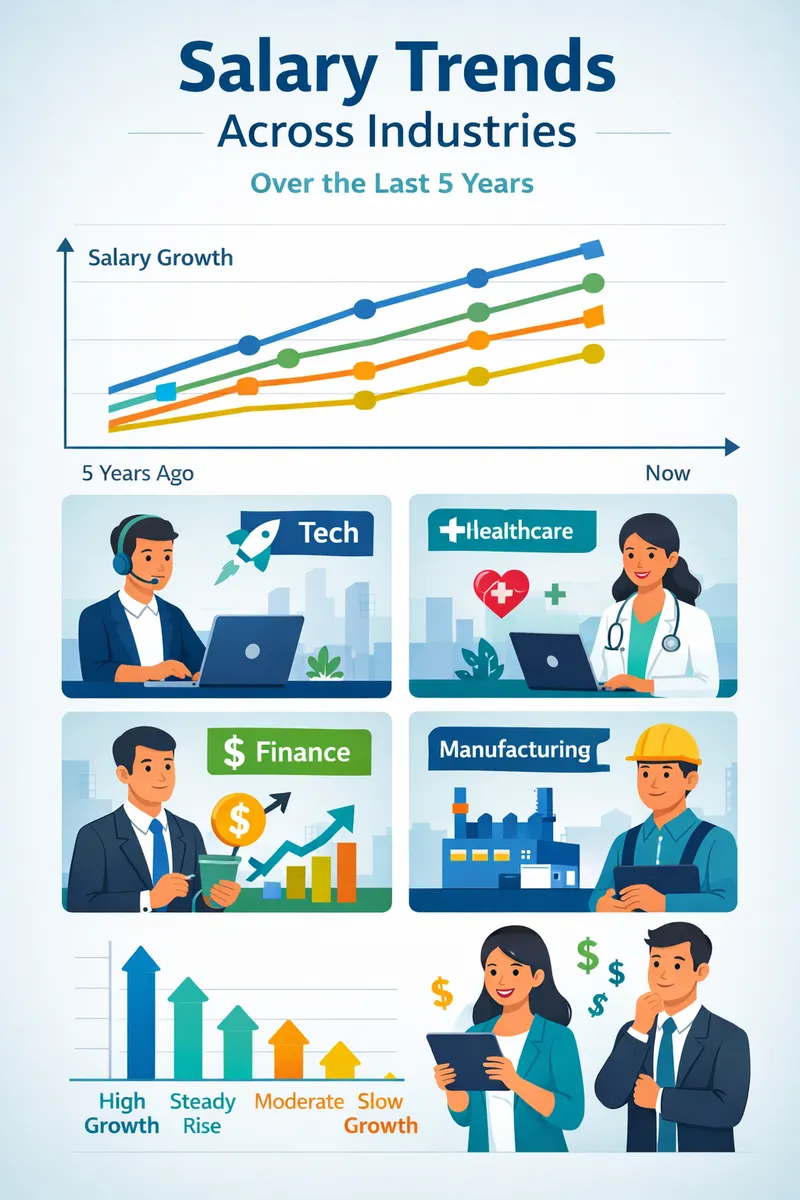
A visual representation comparing salary trends across different industries over the last five years.
Closing Thoughts
When it comes to job offer negotiations, don’t overlook the significance of industry trends. Equip yourself with the right information, know the market, and prepare effectively. If you're ready to enhance your resume, check our tools, including our Resume Builder and Resume Checker. And remember, the best negotiations are based on solid data and honest expectations.
Key Takeaways
- Industry trends impact salary negotiations significantly.
- Timing your salary discussions can enhance outcomes.
- Thorough preparation and research are essential for effective negotiations.
If you’re looking to elevate your negotiating skills further, don’t forget to visit OneTwo Resume.