Opening Key Insight
Doing salary research helps you to confidently present your worth and ensures you don't settle for less than you deserve.
Negotiating your salary can feel like a daunting task. But it doesn’t have to be. If you're a job seeker, professional, or considering a career change, understanding how to effectively use market research can tilt negotiations in your favor. Here’s how to navigate this process step by step.
What is the Importance of Salary Research?
Salary research provides concrete data to support your request and enhances your confidence during negotiations.
Understanding the Market
When you conduct salary research, you're diving into what others in your field earn. Here’s why that’s crucial:
- Identify the Average Salary: Knowing the average salary range for your position helps you set realistic expectations. It’s not only about what you want but what’s feasible in your industry.
- Regional Variations: Salaries can vary significantly based on location. Research local salaries for your role to get context.
- Industry Standards: Different industries pay differently, even for the same role. For instance, tech jobs often offer higher compensation than education roles.
Tools for Conducting Salary Research
- Online Salary Calculators: Websites like the Bureau of Labor Statistics provide detailed salary data.
- Job Boards: Platforms like Glassdoor and Indeed feature salary insights based on actual job postings and user submissions.
- Professional Networks: Reach out to connections or use forums. Sometimes, firsthand accounts are more informative than numbers.
How Do You Leverage Your Research During Negotiations?
Presenting your salary research clearly and confidently can lead to better negotiation outcomes.
Preparing Your Argument
- Document Your Findings: Create a concise document summarizing your research. Include average salaries, bonuses, and compensation packages. This will not only help you recall during discussions but also show you're serious.
- Practice Your Pitch: Role-play with friends or use a mirror. Just like a presentation, you want to feel comfortable when discussing your worth.
Timing is Everything
- Before You Receive an Offer: If possible, raise the salary topic during the early interview phases. This helps set expectations.
- After Receiving an Offer: When they present an offer, take a moment to review and counter based on your research. It’s not rude; it’s professional.
What Should You Avoid in Salary Negotiations?
Avoid common pitfalls such as letting emotions override facts, or failing to articulate your value.
Common Mistakes to Dodge
- Going in Blind: Don’t walk into negotiations without knowing the market. Doing salary research beforehand is key.
- Being Too Emotional: Keep emotions in check. Stick to the facts, your market research is your power.
- Underestimating Your Value: If you’ve got relevant experience, education, and skills, don't sell yourself short.
Bullet Points to Remember
- Know your worth based on thorough salary research.
- Prepare documentation to justify your salary expectations.
- Practice discussing your findings to gain confidence.
Salary Comparison Table
| Role | Average Salary | Highest Salary | Lowest Salary |
|---|---|---|---|
| Software Engineer | $95,000 | $140,000 | $70,000 |
| Marketing Manager | $80,000 | $120,000 | $60,000 |
| Data Analyst | $70,000 | $100,000 | $50,000 |
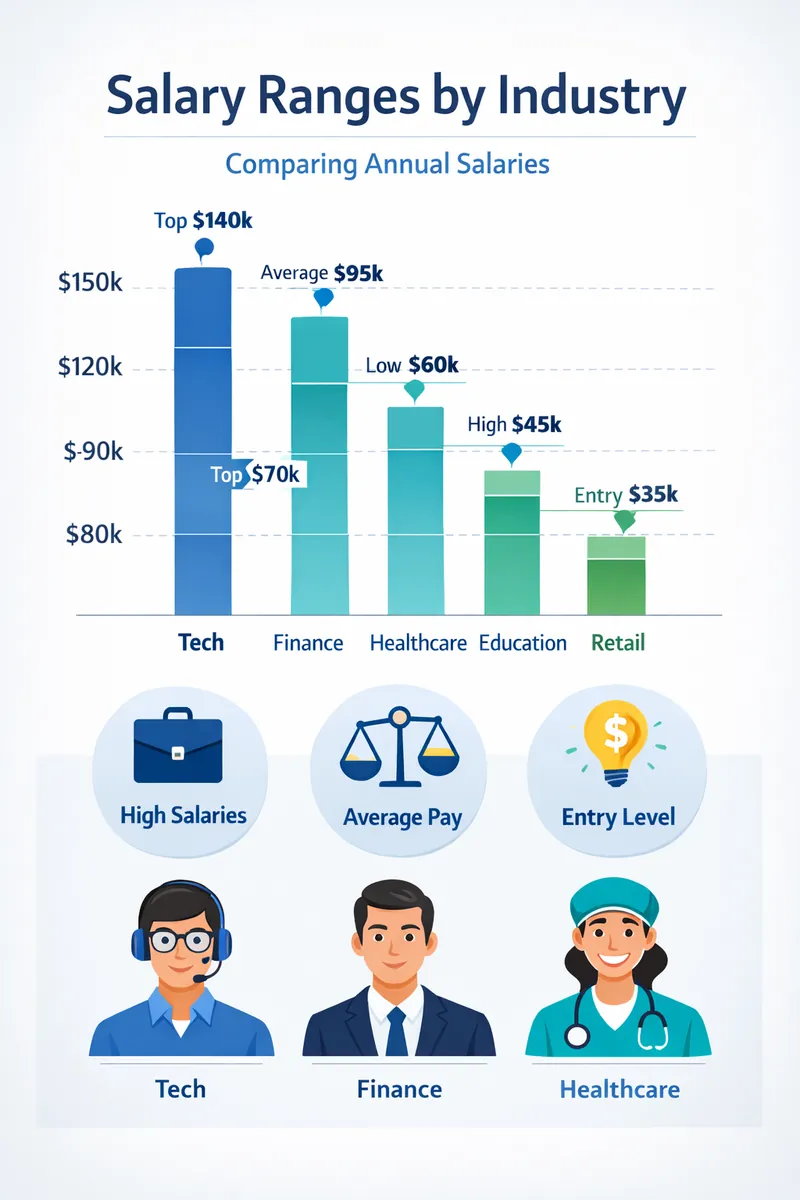
Visual representation of salary ranges across different industries highlighting key data points from the post.
Conclusion:
Using salary research in negotiations isn’t just a nice-to-have; it’s essential. By preparing ahead, you can present a strong case and feel empowered.
Key Takeaways
- Salary research helps you articulate your value.
- Timing and preparation are crucial for negotiations.
- Avoid emotional responses and stick to facts.
Call to Action
Want to prepare your next job application? Check out OneTwo Resume for tools to get started. With a solid resume, you can confidently step into your next negotiation!